

How we work
A Plain Path: Diagnose, Decide, Do.
We look at your daily operations together, name what’s true, and scout the next move. Solutions and tools come after the plan, not instead of it.
Your budget is part of the problem-solving process, not an awkward conversation at the end. We look at what you already have, what your team can realistically maintain, and what the solution is worth before deciding what to build or buy.
Diagnose
What is really happening, not what the strategic plan says.
Decide
Priorities you can identify. Decide what isn’t helping.
Do
The smallest useful step, with only the tools that fit.
Consulting

Big problems. Small fires. And the copier is jammed again.
Some days call for a strategic plan. Others call for someone who knows how to keep things moving when the plan falls apart.
I’ve worked through both. That’s where practical experience, a little humor, and better tools come in.
Sometimes you need a consultant. Sometimes you need an experienced executive to step in. And sometimes you just need somebody who knows what they’re doing to pick up the work and get it done.
Practical Solutions. Sensible Costs. More Resources for the Mission.
Truth Scout starts with the work nonprofits already need. I’ve spent more than twenty years inside programs and the operations behind them, managing people, boards, budgets, grants, facilities, compliance, launches, turnarounds, and the problems that don’t fit neatly into anybody’s job description.
If you need a grant written, let’s write the grant. If you need somebody to step into a leadership gap, let’s talk about the gap. If a program or process isn’t working, let’s figure out why. Need an outside assessment, a project led, a compliance problem worked through, or just another experienced set of hands? That’s an engagement too.
Smaller nonprofits deserve good advice, useful technology, and experienced help without enterprise-sized invoices. Truth Scout looks for the right solution at a cost that makes sense, whether that’s a few hours of guidance, a focused project, or ongoing support.
And if technology solves the problem better, nonprofits have more options now than ever.
Diagram: People, Money, Facilities, Technology, Compliance, Process and Funding all feed Operations. Operations supports Program Staff, and Program Staff serve the Mission and the client.
The Mission Happens When Your Program Staff Touch Lives. Everything Else in the Organization Should Help Make That Possible.
The case manager needs to help a family find housing. She should not spend Tuesday afternoon figuring out why her purchasing request disappeared.
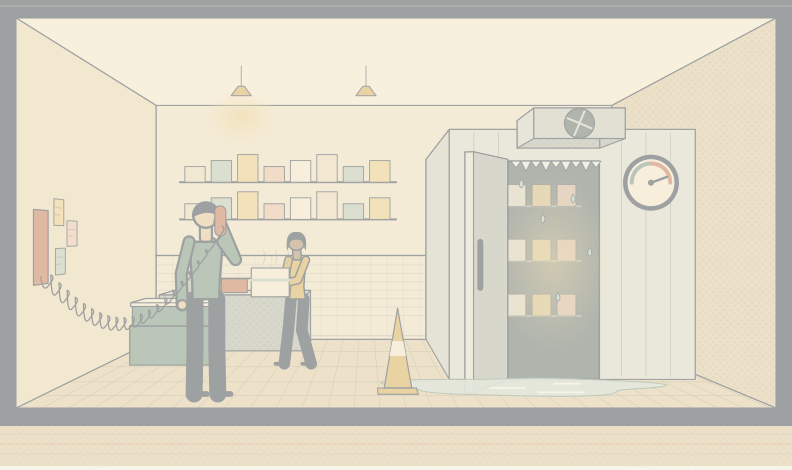
The shelter director needs to make sure everyone has a safe place to sleep tonight. He should not be calling three vendors because the freezer has stopped being a freezer.
The program director needs to know whether the program is actually working. She should not need an archaeological expedition through six spreadsheets to find the answer.

And the person sitting across from a client should definitely not be wondering why the copier is broken. For reasons known only to nonprofit operations, it has somehow become an IT problem, a facilities problem, and a budget problem.
That’s where Operations comes in. Or at least where good Operations comes in.
Ways to Work Together
Six ways to work together. Pick the one closest to your problem. Real work tends to cross lanes, and that’s okay.
Not every problem needs a six-month engagement or a standing retainer. Sometimes a focused assessment, a few hours of guidance, or a practical implementation is enough.
-
Get it Funded
Grant Writing and Funding Development
Finding grant opportunities that fit the program; grant proposals and applications; RFP and RFQ responses; program and budget development for proposals; renewals; reporting; grant-related compliance support.
-
Figure it Out
Organizational and Program Assessments
Organizational and program assessments; operational reviews; process improvement; staff and stakeholder surveys; strategic planning and board work; waste, fraud, and abuse response; actionable recommendations your staff and board can use.
-
Build it Better
Practical Technology, Automation, and AI
Software assessment; automation; connecting tools you already own; custom tools; practical AI applications in everyday work; staff AI training that builds useful capability in-house.
-
Get it Done
Project and Implementation Support
Sometimes you don’t need another plan. You need someone who can make the existing one happen.
From advocacy campaigns and statewide initiatives to complex community projects, events, and cross-functional work, we bring the people, priorities, and moving pieces together. And we keep things moving until the job gets done.
-
Step In
Interim and Operational Leadership
Part-time, fractional, or time-limited interim leadership; Interim Executive Director or COO support; operational leadership during a vacancy or transition; filling a leadership or operational gap while the organization recruits, restructures, or catches up.
-
Keep it Running
Ongoing Operational Support
Operational oversight; budget development, review, modification, and monitoring, including using financial information to assess program performance, priorities, and operational decisions; HR policies and processes; vendors and contracts; facilities; administrative systems; monthly retainer support.
Not sure which lane you’re in? That’s normal. Tell us what’s going on.
Better Tools. Not Just More Tools.
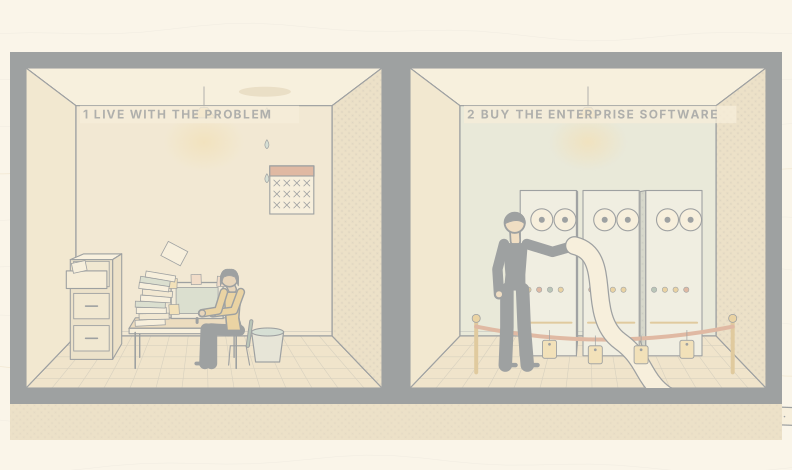
A nonprofit used to have two choices:
Live with the problem or buy the enterprise software.
Sometimes that meant a five-figure implementation, per-user fees nobody mentioned in the demo, consultants to configure it, and a workflow that somehow required your organization to change the way it works to accommodate the software you bought to make work easier.
And let’s not even get started on case management software and HMIS. Some of those conversations deserve their own support group.
Your software shouldn’t cost more than the problem it’s supposed to solve.
We don’t have to accept that anymore.
Modern platforms, automation, and AI have changed what smaller organizations can do for themselves.
I know because I’m doing it.
I’ve built custom nonprofit operations software around real problems: staff communication, documents, facilities requests, vehicle management, room reservations, approvals, support requests, reporting, and the dozens of little workflows that quietly consume staff time. Those problems came from real operating experience: social enterprise and retail operations, the daily workflows behind them, and the coordination it takes to keep programs and business functions pulling in the same direction.
Four ways to get there. Pick one, or combine.
Use It
Get more value from tools the organization already owns.
Buy It
Select an existing product when it solves the problem well.
Build It
Develop a tailored solution when existing tools cannot meet the need.
Teach the Team
Build the skills needed to use and maintain the solution.
But custom software isn’t automatically the answer.
Maybe the right platform already exists, or you already own the tools we need. Maybe we can connect three things you already pay for and eliminate two others. Maybe a small AI-assisted workflow solves the problem, or your staff needs practical AI training so they can build better processes themselves.
And sometimes the answer is: Stop. You don’t have a technology problem. You have a process problem.
That’s okay too.
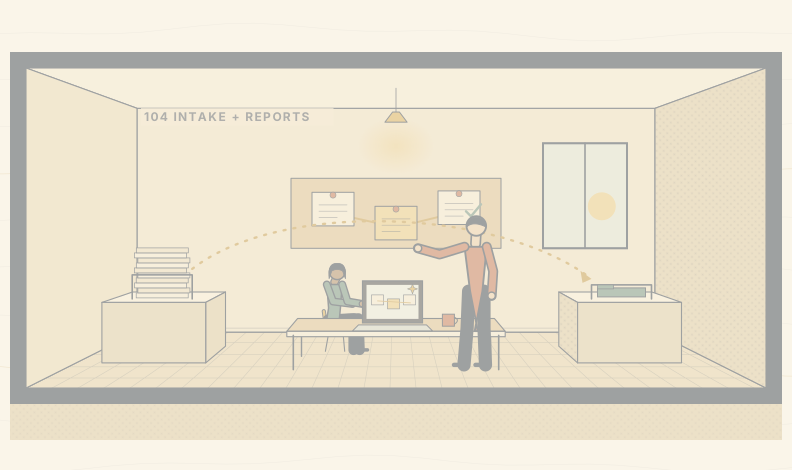
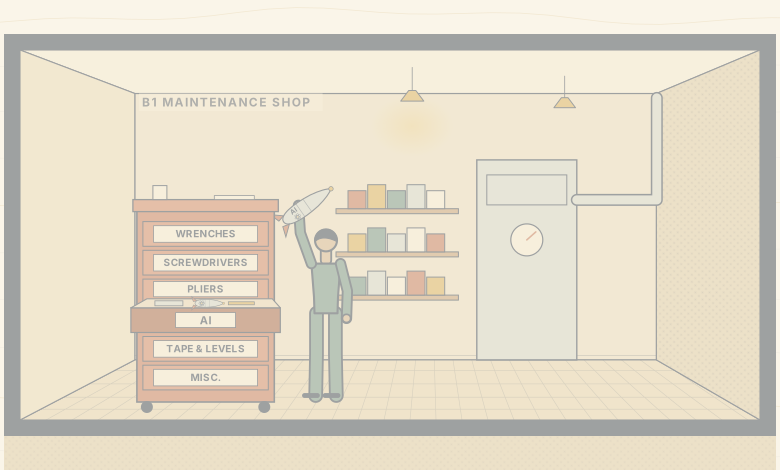
AI Belongs in the Toolbox, Not on the Pedestal.
The question isn’t how much AI your organization should use. It’s where AI can actually help: saving time, improving decisions, analyzing information, automating repetitive work, or making something possible that would have been too expensive just a few years ago. We’ll help you find those places, and the places it doesn’t belong.
Use it. Buy it. Build it. Or teach your team to do it themselves. Whichever makes sense.

You beat enough bushes finding more indirect dollars. We shouldn’t hand them over just because an enterprise software company convinced us there was no other option.
We’re Not Here to Sell You Software. We’re Here to Solve the Problem.
Let’s Be Truthful About the Problem. Scout the Right Solution for Now. And Build With What Comes Next.
Tools, when they earn a place
Apps and AI After the Plan, Not Instead of It.
Software isn’t the problem. Software bought before anyone understands the problem is. The consulting comes first, and if a tool earns its place, we build it or find it. We won’t sell you an app and call it consulting.
Build it Better
MissionDock In Beta
MissionDock is the nonprofit operations platform made for real nonprofit work: resources, fleet management, facility requests, staff updates, approvals, and the little stuff that eats everyone’s afternoon. Staff open it to one home screen that shows their day, and one dock gets them wherever they need to go next. It isn’t made to force every nonprofit into the same box. It’s made to fit how yours already works, wear your colors, and keep everyone moving on the mission.
Built for organizations that need better tools but don’t have an enterprise software budget. MissionDock is being developed with affordability, straightforward pricing, and practical nonprofit workflows in mind.


-
Custom Software
Sometimes the gap is specific enough that the cleanest answer is a focused build. We build tools around the workflow instead of forcing the workflow around a giant system. Start small, solve the real problem, and leave room to grow.
-
AI in Real Nonprofit Work
Find where AI saves time or improves the work without handing compliance and judgment to a machine: research, analysis, drafting, internal knowledge, workflow support, reporting, training, and repetitive administrative tasks. Client information stays out of AI tools unless appropriate safeguards are in place and your organization approves them.
-
Practical AI Training
Sometimes the best outcome is that your staff doesn’t need us for the next problem. Practical AI training shows teams how to use modern tools to increase productivity in the work they already do, safely and responsibly.
-
Software Reality Check
Before buying another platform, look at what you already pay for: cost, use, overlap, missing capabilities, and what staff actually avoid. Keep what earns its place. Cut what does not. Connect or replace only when necessary.
A Tool Is Useful After the Plan Is Honest. Not Before.
Got Something Weird?
Don’t see your problem on the list? Good.
Some of my most interesting work had no convenient consulting category when it landed on my desk. If your nonprofit has a problem, a project, a leadership gap, an opportunity, or just something that needs to get done, tell us what’s going on.
We’ll figure out whether we can help. And if we can’t, we’ll tell you, and that’s okay.
Because the mission is hard enough. The organization behind it shouldn’t make it harder.

Ready to Talk About the Mess?
Truth Scout Consulting is a Springfield, Missouri-based consultancy serving nonprofits nationwide, remotely and on-site by arrangement. Send a few lines about what’s going on, and we’ll go from there.
Truth Scout Consulting 3550 N Glenstone Ave, Ste C, PMB 1030, Springfield, MO 65803